140 Results for "

Simsia foetida (Cav.) S.F.Blake

" in MedChemExpress (MCE) Product Catalog:
Products (140)

140 Results for "Simsia foetida (Cav.) S.F.Blake" in MCE Product Catalog:

81
81 Publications Verification
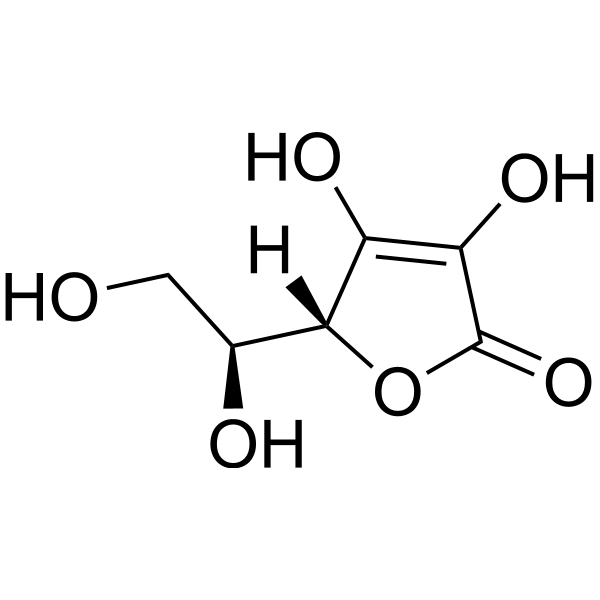
Cat. No.: HY-B0166
CAS No.: 50-81-7
Synonyms: L-Ascorbate; Vitamin C
L-Ascorbic acid (L-Ascorbate), an electron donor, is an endogenous antioxidant agent. L-Ascorbic acid inhibits selectively Cav3.2 channels with an IC50 of 6.5 μM. L-Ascorbic acid is also a collagen deposition enhancer and an elastogenesis inhibitor . L-Ascorbic acid exhibits anti-cancer effects through the generation of reactive oxygen species (ROS) and selective damage to cancer cells .
81
81 Publications Verification
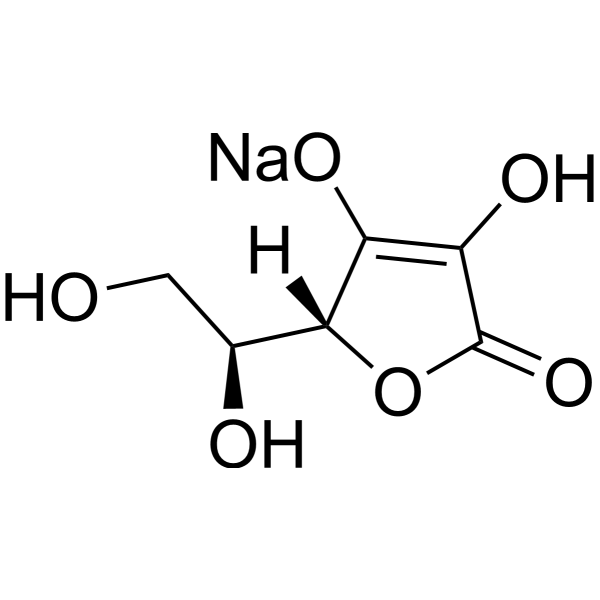
Cat. No.: HY-B0166A
CAS No.: 134-03-2
Synonyms: Sodium ascorbate; Sodium L-ascorbate; Vitamin C sodium salt
L-Ascorbic acid sodium salt (Sodium ascorbate), an electron donor, is an endogenous antioxidant agent. L-Ascorbic acid sodium salt selectively inhibits Cav3.2 channels with an IC50 of 6.5 μM. L-Ascorbic acid sodium salt is also a collagen deposition enhancer and an elastogenesis inhibitor .
4
4 Cited Publications
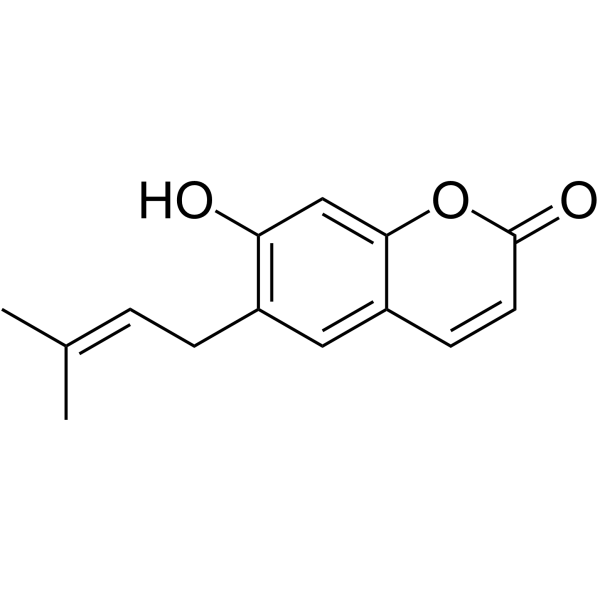
Cat. No.: HY-N2488
CAS No.: 21422-04-8
Synonyms: 7-Demethylsuberosin
Demethylsuberosin (7-Demethylsuberosin) is a coumarin compound found in Angelica gigas Nakai. Demethylsuberosin exerts antihypertensive effects by inhibiting the L-type CaV1.2 channel. Demethylsuberosin has antioxidant and anti-inflammatory activities. Demethylsuberosin also exhibits neuroprotective activities against glutamate-induced toxicity in primary cultured rat cortical cells .
4
4 Cited Publications
Cat. No.: HY-B1752
CAS No.: 80373-22-4
Synonyms: LY 171555; (-)-LY 141865
Quinpirole (LY 171555; (-)-LY 141865) is a D2/D3 dopamine receptor agonist and a CaV1.3 calcium channel modulator. Quinpirole normalizes dendritic spine density in dopamine-depleted striatum, upregulates the protein expression of BCL2 and GluR2, downregulates the protein expression of BAX, and delays the onset of seizures. Quinpirole enhances learning and memory, inhibits neuronal apoptosis (apoptosis), and induces anxiety-like, stereotyped, and compulsive behaviors. Quinpirole disrupts prepulse inhibition in rhesus monkeys, enhances the activity of paraventricular thalamic neurons to promote recovery from Isoflurane anesthesia, and alters the composition of the gut microbiota in rats. Quinpirole can be used in research related to dyskinesia, pain, epilepsy, and neurological disorders including anxiety disorder, obsessive-compulsive disorder, and schizophrenia .
3
3 Cited Publications
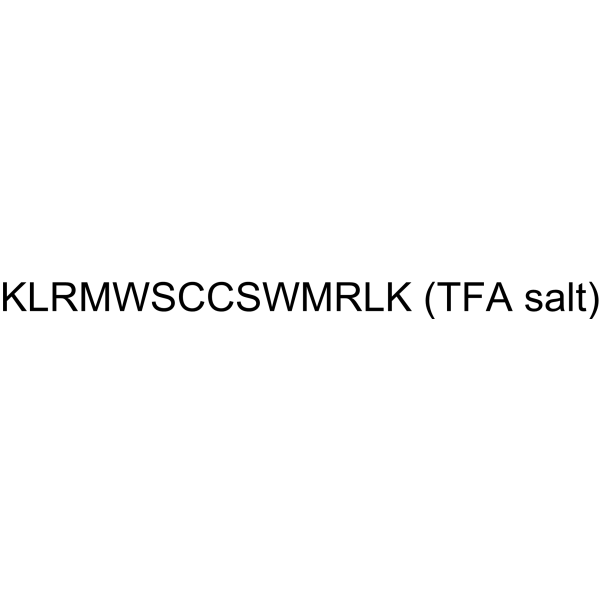
Cat. No.: HY-P2288A
Target:  

Peptides

Research Areas:  

Cancer

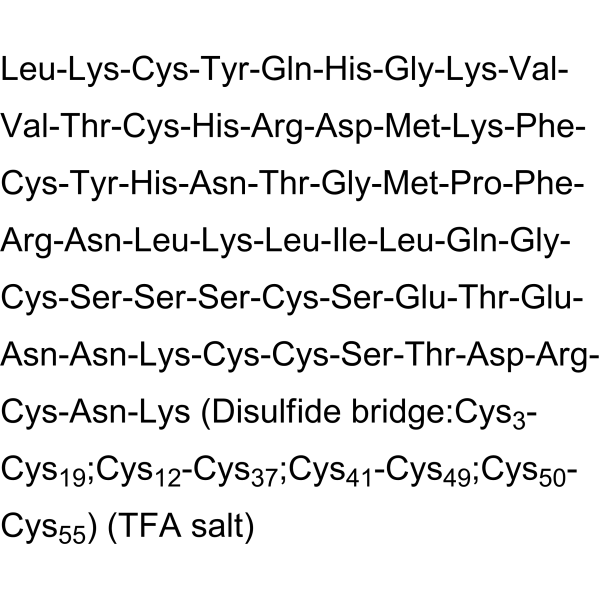
WL47 TFA, a high-affinity cavolin-1 (CAV1) ligand (Kd=23 nM), is a potent disrupter of CAV1 oligomers. WL47 TFA shows selectivity for CAV1 over BSA, casein and HEWL. WL47 TFA is 80% smaller in length than the original T20 (HY-P0052) parent sequence and can be used for the study of caveolin-1 function .
3
3 Cited Publications
Cat. No.: HY-112499
CAS No.: 2124-57-4
Purity:  ≥98.0%
Synonyms: Vitamin K2-7; Vitamin K2(35); Vitamin MK-7
Target:  

TGF-beta/Smad

Research Areas:  

Cardiovascular Disease

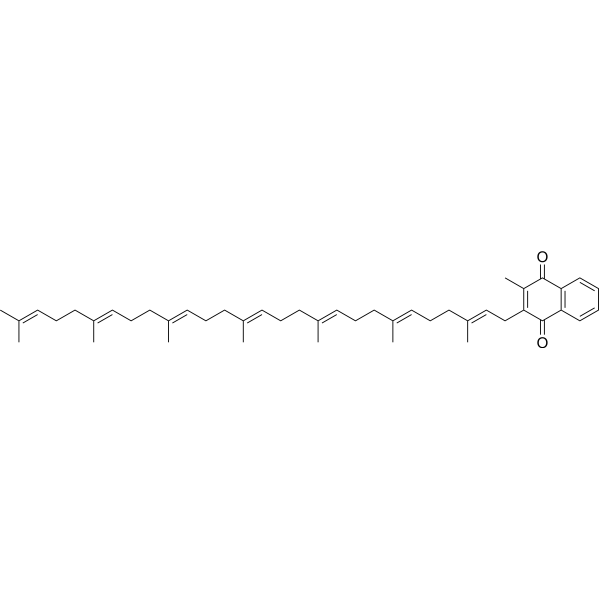
Menaquinone-7 (Vitamin K2-7), belongs to a class of K2-vitamin homologs (orally active), is originally discovered as the anti-hemorrhagic factors. Menaquinone-7 inhibits osteoclast bone resorption in vitro and stimulates bone formation in femoral tissue of aged female rats. Menaquinone-7 has a well-researched potential in the prevention of aging-induced bone degeneration. Menaquinone-7 is also a pharmacological option for activating Gla matrix protein and intervening in the progression of calcific aortic stenosis (CAVS) .
3
3 Cited Publications
Cat. No.: HY-112499R
CAS No.: 2124-57-4
Synonyms: Vitamin K2-7(Standard); Vitamin K2(35)(Standard); Vitamin MK-7 (Standard)
Menaquinone-7 (Standard) is the analytical standard of Menaquinone-7. This product is intended for research and analytical applications. Menaquinone-7 (Vitamin K2-7), belongs to a class of K2-vitamin homologs (orally active), is originally discovered as the anti-hemorrhagic factors. Menaquinone-7 inhibits osteoclast bone resorption in vitro and stimulates bone formation in femoral tissue of aged female rats. Menaquinone-7 has a well-researched potential in the prevention of aging-induced bone degeneration. Menaquinone-7 is also a pharmacological option for activating Gla matrix protein and intervening in the progression of calcific aortic stenosis (CAVS) .
2
2 Cited Publications
Cat. No.: HY-B0166R
CAS No.: 50-81-7
Synonyms: L-Ascorbate (Standard); Vitamin C (Standard)
L-Ascorbic acid (Standard) is the analytical standard of L-Ascorbic acid. This product is intended for research and analytical applications. L-Ascorbic acid (L-Ascorbate), an electron donor, is an endogenous antioxidant agent. L-Ascorbic acid inhibits selectively Cav3.2 channels with an IC50 of 6.5 μM. L-Ascorbic acid is also a collagen deposition enhancer and an elastogenesis inhibitor . L-Ascorbic acid exhibits anti-cancer effects through the generation of reactive oxygen species (ROS) and selective damage to cancer cells .
2
2 Cited Publications
Cat. No.: HY-103309
CAS No.: 1346233-68-8
Purity:  99.49%
Target:  

Calcium Channel

Research Areas:  

Neurological Disease

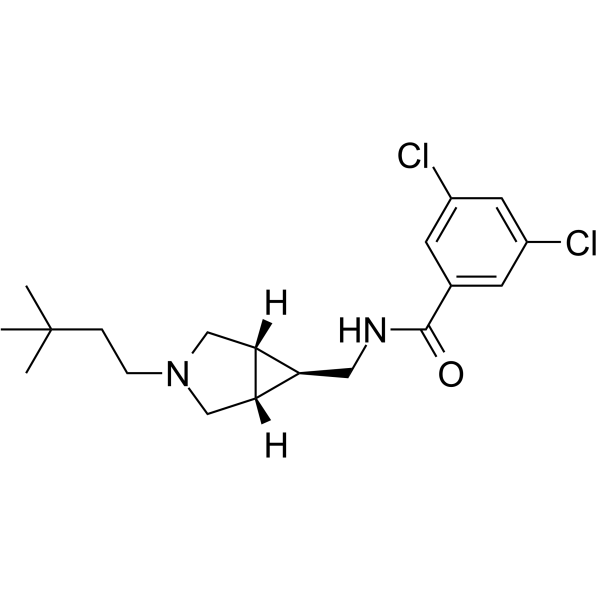
ML218 is a potent, selective and orally active T-type Ca 2+ channels (Cav3.1, Cav3.2, Cav3.3) inhibitor with IC50s of 310 nM and 270 nM for Cav3.2 and Cav3.3, respectively. ML218 inhibits the burst activity in subthalamic nucleus (STN) neurons. ML218 has no significant inhibition of L- or N-type calcium channels, KATP or hERG potassium channels. ML218 can penetrate the blood-brain barrier .
1
1 Cited Publications
Cat. No.: HY-111828
CAS No.: 953778-63-7
Purity:  99.33%
Target:  

Calcium Channel

Research Areas:  

Neurological Disease

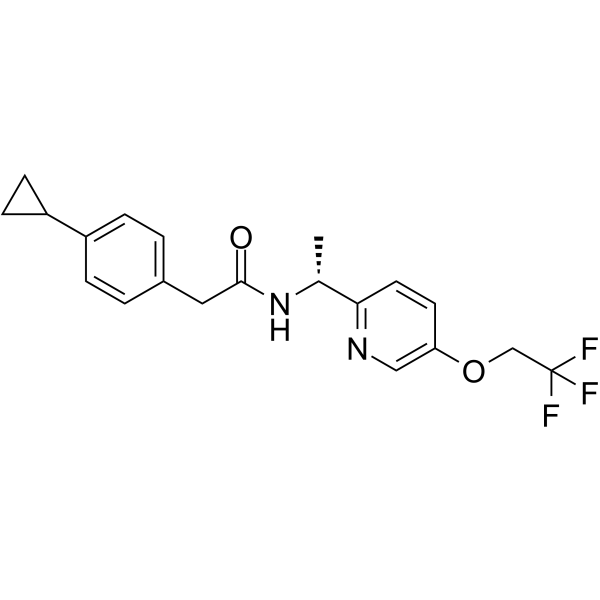
TTA-A2 is a potent, selective and orally active t-type voltage gated calcium channel antagonist with reduced pregnane X receptor (PXR) activation. TTA-A2 is equally potent against the Cav3.1 (a1G) and Cav3.2 (a1H) channels with IC50 values of 89 nM and 92 nM, respectively, at -80 and -100 mV holding potentials. TTA-A2 can be used for the research of a variety of human neurological diseases, including sleep disorders and epilepsy .
1
1 Cited Publications
Cat. No.: HY-P1080
CAS No.: 145017-83-0
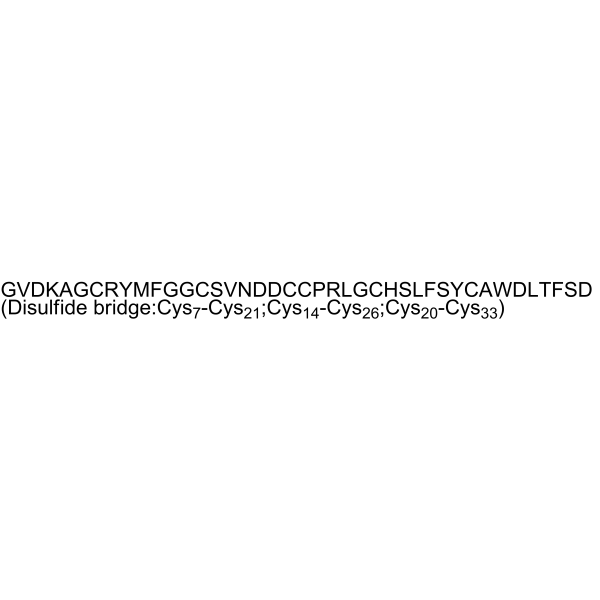
ω-Agatoxin IVA is a potent, selective P/Q type Ca 2+ (Cav2.1) channel blocker with IC50 values of 2 nM and 90 nM. ω-Agatoxin IVA inhibits glutamate exocytosis and calcium influx elicited by high potassium. ω-Agatoxin IVA inhibits Capsaicin (HY-10448)-induced CGRP release and vasodilation. ω-Agatoxin IVA can be used for the research of neurological and cardiovascular disease .
1
1 Cited Publications
Cat. No.: HY-P1080A
Target:  

Calcium Channel

Research Areas:  

Neurological Disease

ω-Agatoxin IVA TFA is a potent, selective P/Q type Ca 2+ (Cav2.1) channel blocker with IC50 values of 2 nM and 90 nM. ω-Agatoxin IVA TFA inhibits glutamate exocytosis and calcium influx elicited by high potassium. ω-Agatoxin IVA TFA inhibits Capsaicin (HY-10448)-induced CGRP release and vasodilation. ω-Agatoxin IVA TFA can be used for the research of neurological and cardiovascular disease .
1
1 Cited Publications
Cat. No.: HY-P1074
CAS No.: 203460-30-4
Target:  

Calcium Channel

Research Areas:  

Neurological Disease

SNX-482, a peptide, is a potent, high affinity, selective and voltage-dependent R-type CaV2.3 channel blocker with an IC50 of 30 nM. SNX-482 has antinociceptive effect .
1
1 Cited Publications
Cat. No.: HY-119373
CAS No.: 1567335-29-8
Purity:  98.78%
Target:  

Calcium Channel

Research Areas:  

Neurological Disease

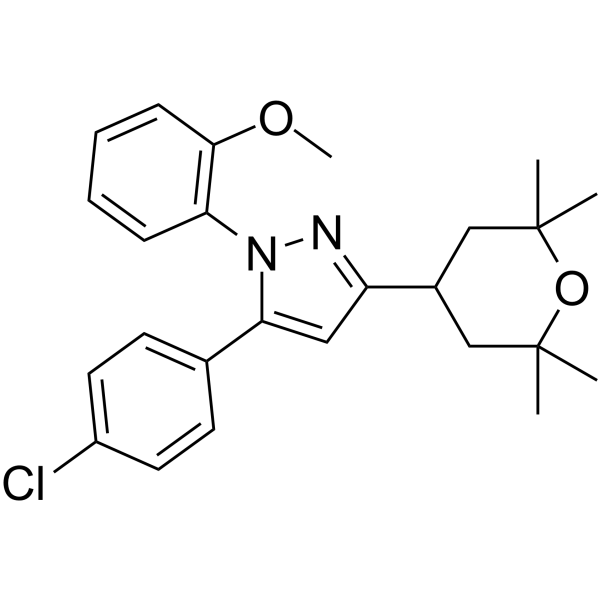
Cav 2.2 blocker 1 (compound 9) is a N-type calcium channel (Cav 2.2) blocker for the treatment of pain, with an IC50 of 1 nM .
1
1 Cited Publications
Cat. No.: HY-115681
CAS No.: 68682-01-9
Purity:  99.88%
Synonyms: 6-Prenylnaringenin; (±)-6-Prenylnaringenin
Target:  

Calcium Channel

Research Areas:  

Neurological Disease

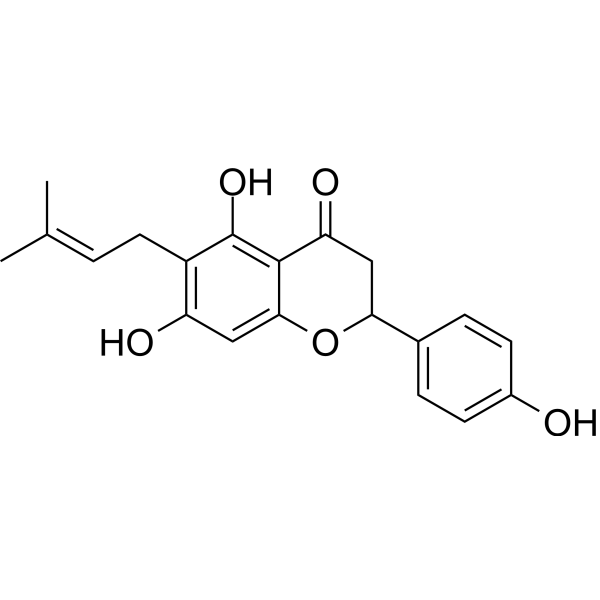
(2R/S)-6-PNG (6-Prenylnaringenin) is a potent and reversible Cav3.2 T-type Ca 2+ channels (T-channels) blocker. (2R/S)-6-PNG can penetrate the blood-brain barrier (BBB). (2R/S)-6-PNG suppresses neuropathic and visceral pain in mice .
Cat. No.: HY-132184
CAS No.: 87173-80-6
Purity:  ≥99.0%
Synonyms: 5,6-EET; (±)5,6-EpETrE
Research Areas:  

Endocrinology

5,6-Epoxyeicosatrienoic acid (5,6-EET; (±)5,6-EpETrE) is a fully racemic version of the enantiomeric forms biosynthesized from arachidonic acid by cytochrome P450 enzymes. In solution, 5,6-Epoxyeicosatrienoic acid degrades into 5,6-DiHET and 5,6-δ-lactone, which can be converted to 5,6-DiHET and quantified by GC-MS. In neuroendocrine cells, such as the anterior pituitary and pancreatic islets, 5,6-Epoxyeicosatrienoic acid has been implicated in the mobilization of calcium and hormone secretion. 5,6-Epoxyeicosatrienoic acid is an inhibitor of T-type voltage-gated calcium channels (Cav3) that inhibits isoforms Cav3.1, Cav3.2 (IC50=0.54 μM), and Cav3. and decreases nifedipine-resistant phenylephrine-induced vasoconstriction in isolated mouse mesenteric arteries via Cav3.2 blockade when used at a concentration of 3 μM. In addition, it is a substrate of COX-1 and COX-2.
Cat. No.: HY-B0166S
CAS No.: 1354064-87-1
Synonyms: L-Ascorbate-13C6; Vitamin C-13C6
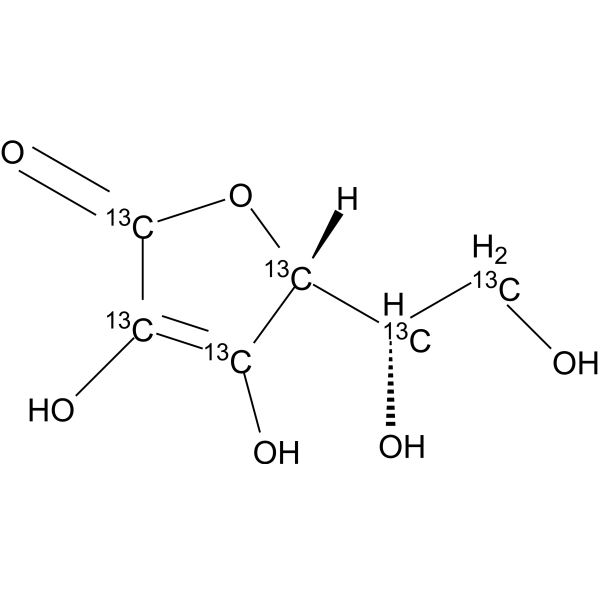
L-Ascorbic acid- 13C6 is the 13C-labeled L-Ascorbic acid. L-Ascorbic acid (L-Ascorbate), an electron donor, is an endogenous antioxidant agent. L-Ascorbic acid inhibits selectively Cav3.2 channels with an IC50 of 6.5 μM. L-Ascorbic acid is also a collagen deposition enhancer and an elastogenesis inhibitor . L-Ascorbic acid exhibits anti-cancer effects through the generation of reactive oxygen species (ROS) and selective damage to cancer cells .
Cat. No.: HY-134542
CAS No.: 1391385-57-1
Purity:  98.38%
Target:  

Calcium Channel

Research Areas:  

Neurological Disease

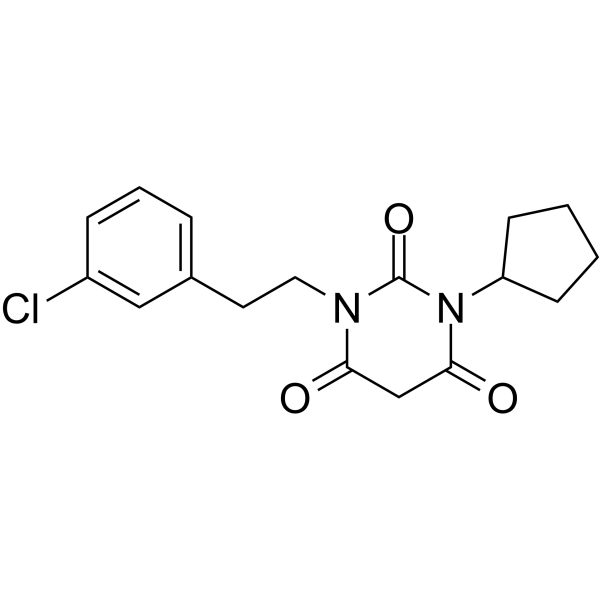
CaV1.3 antagonist-1 is a potent and highly selective CaV1.3 L-type calcium channel (LTCC) antagonist with an IC50 of 1.7 μM. CaV1.3 antagonist-1 inhibits CaV1.3 LTCC >600-fold more potently than CaV1.2 LTCC. CaV1.3 antagonist-1, a cyclopentyl derivative, has the potential for Parkinson's disease research .
Cat. No.: HY-120597
CAS No.: 1256269-87-0
Purity:  99.80%
Target:  

Calcium Channel

Research Areas:  

Neurological Disease

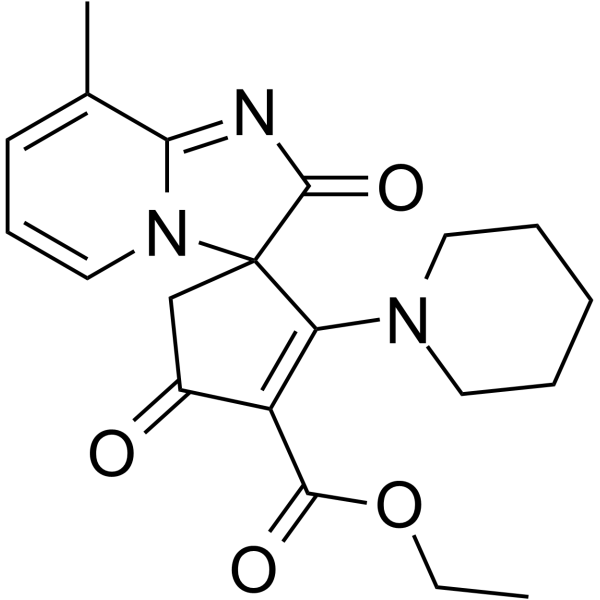
SAK3 is a potent T-type voltage-gated Ca 2+ channels (T-VGCCs) enhancer. SAK3 enhances Cav3.1 and Cav3.3 T-type Ca 2+ channel currents. Acute SAK3 administration improves memory deficits in olfactory-bulbectomized mice . SAK3 inhibits amyloid β plaque formation in APP-KI mice by activating the proteasome activity .
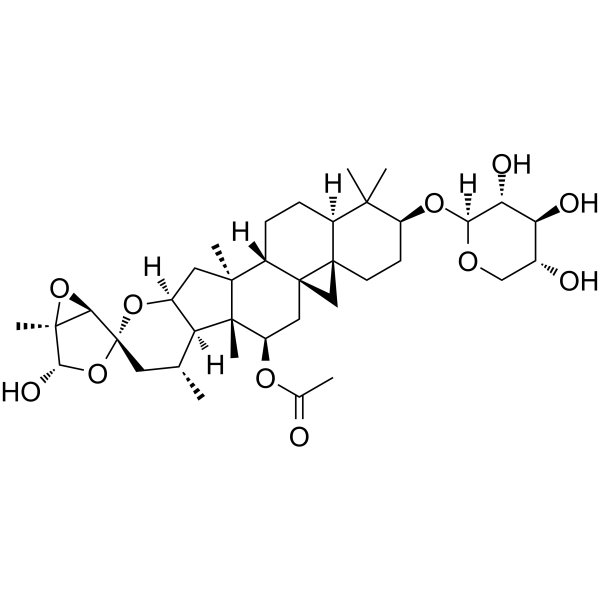
Cat. No.: HY-N6872
CAS No.: 18642-44-9
Actein, a triterpene glycoside, shows an inhibitory effect on cancer cells, which is isolated from the rhizomes of Cimicifuga foetida. Actein suppresses cell proliferation, induces autophagy and apoptosis through promoting ROS/JNK activation, and blunting AKT pathway in bladder cancer. Actein has little toxicity in vivo .

